Mekanik tutma, güç, temizlik, basınç düşüşü ve süreç koşulları ile wedge tel ve sintered ağ filtreleri ile karşılaştırın.
giriiş
Wedge tel ve sintered ağ hem metal filtre yapılarıdır, ancak hizmette farklı davranırlar. Biri bir profilli teli kullanır veya bir yuvalı ekrana kaynaklanır. Diğeri, göz ardı edilebilir bir filtrasyon yapısı oluşturmak için çelik veya metal fiber tabakaları kullanır.
Aralarındaki seçim tek başına malzemeye dayalı olmamalıdır. Parçacık boyutunun çıkarılmasına bağlıdır, baskı diferansiyel, temizlik yöntemi, sıvı, sıcaklık ve element üzerindeki mekanik yükler.
Bu kılavuz iki inşaatı karşılaştırır ve endüstriyel filtrasyon uygulamaları için pratik bir seçim süreci sağlar. İlk teknik bir bakış olarak tasarlanmıştır; son spesifikasyon filtre tedarikçisi ve ekipman gereksinimleri ile doğrulanmalıdır.
Wedge Wire Filtreleri Nasıl Yapınıyor
Bir wedge tel filtre, çubukları veya bir çerçeveyi destekleyen profilli telleri kullanır. tel profili nispeten açık bir akış yolu ile sürekli bir yuva yaratır. Slot genişliği önemli bir özelliktir çünkü ekrandan geçebilir nominal parçacığı boyutunu kontrol eder.
Wedge tel ekranları genellikle orta filtrasyona, arka yıkamaya, suya ve mekanik güç ve açık bir akış alanının önemli olduğu uygulamalar için kullanılır. Düz dış yüzey bazı tasarımlarda temizlik ile yardımcı olabilir.
Gerçek performans, slot genişliğine, tel profiline, destek yapısına, akış yönüne ve elementin montajına bağlıdır. Bir wedge tel ekranı, dokunaklı bir ağ veya sintered element ile değişmez değildir, çünkü ikisi de paslanmaz çelikten yapılır.
Sintered Meshler Yapınıyor
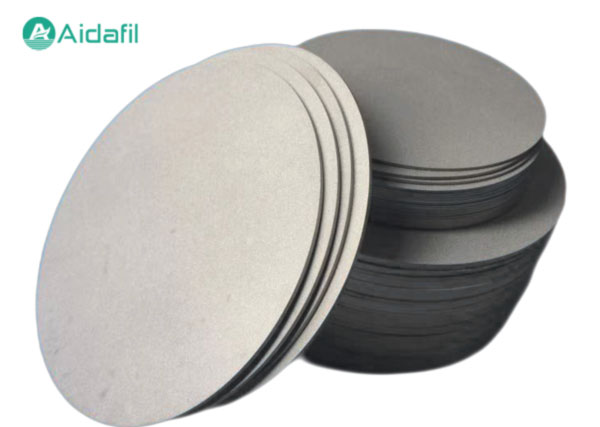
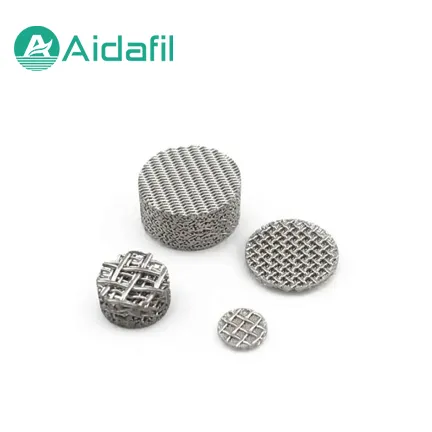
Sintered ağ filtreleri, bir veya daha fazla metal örgü veya metal fiber katmanı ile yapılır. Sintering süreci, kontrollü bir pore büyüklüğü ile sabit bir göz ardı edilebilir bir yapı yaratır ve gevşek bir dokunaklı bir ağla kıyasla mekanik stabilite geliştirir.
Sintered filtreler iyi parçacık tutma için tasarlanabilir ve kompakt bir elementte büyük bir filtrasyon alanı sağlayabilir. Yapı koruyucu bir tabaka, filtrasyon tabakası ve destek tabakaları içerebilir. Tam inşaat ürün çiziminden doğrulanmalıdır.
Sintered metal medyası yüksek sıcaklık, yüksek basınçlı, viskous veya temiz metal filtrenin uygun olabileceği uygulamaları talep ediyor. Temizlik ve yenileme, kirletici ve pore yapısına uymalıdır.
Bir Glancede Karşılaştırma
Mülk | Wedge Wire | Sintered Me |
Filtrasyon mekanizması | Profilli teller arasındaki kontrol yuva | Sabit göz ardı metal yapısı |
Tipik tutma aralığı aralığı | Genellikle koordinatör, slot genişliğine bağlı olarak | İnşaata bağlı olarak ince filtrelemeyi destekleyebilir |
Flow area | Generally open, with a defined slot pattern | Depends on mesh layers and pore size |
Mekanik güç | Good structural strength when correctly supported | High when designed with suitable support layers |
Cleanability | Often suitable for backwashing or mechanical cleaning | Cleanable in some designs, but cleaning must suit the pore structure |
Pressure drop | Depends on slot width, flow area, and flow direction | Depends on pore size, media construction, and flow rate |
Best starting point | Coarse screening, separation, backwash, open-flow applications | Fine metal filtration, high-temperature or demanding process conditions |
The table is qualitative. It cannot replace a pressure-drop calculation, particle-retention review, or compatibility check for a specific process.
Compare Particle Retention Requirements
Start with the smallest particle that must be retained and the acceptable pressure drop. A wedge wire screen is often considered when the required slot is relatively open and the main goal is to retain larger solids while maintaining flow. A sintered element may be considered when finer filtration is required and the process can accept the associated pressure drop and cleaning requirements.
Do not compare only the nominal micron number. Ask how the rating was determined and whether it is a nominal or absolute value. The shape of the particles and the flow direction can affect the result.
Evaluate Mechanical and Pressure Conditions
Both constructions can be strong, but the support structure matters. Check the differential pressure across the element, the maximum pressure, the temperature, and any vibration or mechanical load. A filter that is strong in one direction may not be suitable if the flow can reverse or if the element is cleaned by high-pressure backflow.
Confirm the housing support and the sealing arrangement. A metal element may be durable, but a damaged seal or unsupported end cap can still allow bypass.
Consider Cleaning and Maintenance
Wedge wire screens are often selected where the process allows backwashing or mechanical cleaning. The open slot structure can release some contaminants more easily than a fine porous medium, but the result depends on the contaminant and the cleaning procedure.
Sintered elements can be cleaned in suitable applications, but the cleaning method must not damage the bonded structure or leave contamination trapped in the pores. Verify the recommended cleaning agent, temperature, pressure, and drying procedure with the supplier.
If cleaning is difficult or the contaminant cannot be removed reliably, a disposable or replaceable element may be a better service choice. The lowest purchase price is not the lowest lifecycle cost if the element cannot be cleaned effectively.
Review the Process Fluid and Temperature
Check corrosion resistance, temperature range, and compatibility with the fluid. Stainless steel grades are not equally suitable for every chemical environment. If the process contains chlorides, aggressive additives, or high-temperature oxidation, confirm the material with the supplier.
Also consider gasket and seal materials. The metal filter may be suitable for a high-temperature process, while the seal is not. The complete assembly must be reviewed.
Common Applications to Discuss with a Supplier
Typical questions include:
· Is the filter used for water, oil, gas, solvent, polymer, or another fluid?
· Is the main requirement coarse screening or fine particle removal?
· What is the normal and maximum pressure drop?
· Will the element be backwashed, chemically cleaned, or replaced?
· What are the temperature and corrosion conditions?
· What connection, diameter, length, and sealing arrangement are required?
These details make the difference between a general material comparison and a usable filter specification.
Common Selection Mistakes
One mistake is assuming that a finer filter is always better. A finer element may increase pressure drop, shorten service life, or become difficult to clean. Another is selecting a metal filter because it is reusable without checking whether the contaminant can actually be removed.
Teams sometimes compare a wedge wire slot size with a sintered mesh micron rating as if the numbers had the same meaning. The test method and filtration mechanism may differ. Finally, ignoring the seal, support, and housing interface can lead to a filter that appears to fit but does not perform reliably.