


Bir alıntı talep etmeden önce bir vakum yağı purifier to oil visity, su içeriği, akış oranı ve gerekli temizleyicileri eşleştirin.
giriiş
Petrol arıtma ekipmanları su, gaz ve katılımcı kirliliği lubricating, hidrolik, dönüştürücü, Türbin ve diğer endüstriyel yağlar kaldırmak için kullanılır. Doğru makine büyüklüğü ve konfigürasyonu, petrolün kendisi, konminasyon mevcut, gerekli temizlik seviyesi ve tedavi için mevcut zamana bağlıdır.
Çok küçük olan bir purifier mevcut bakım penceresinde gerekli sonuca ulaşamayabilir. Çok büyük olan bir makine, süreci iyileştirmeden maliyet ve enerji kullanımını artırabilir. Doğru seçim bir petrol örneği ve açık bir tedavi hedefi ile başlar.
Bu kılavuz, bir yağ temizleyicisini seçmek için gereken ana verileri açıklar, akış oranı ve toplu zaman hakkında nasıl düşünmek ve hangi konfigürasyon sorularının bir alıntı talep etmeden önce doğrulanması gerektiğini açıklar.
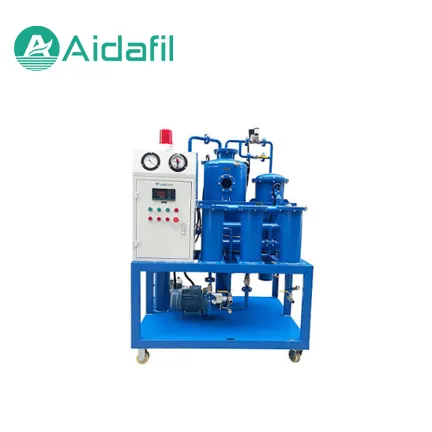
Petrol Tipi ile Başlayın
Farklı yağların farklı vizasyonları, katkı maddeleri ve ısı duyarlılığı vardır. Petrolün ürün adı, ISO visity sınıfı veya belirli bir sıcaklıktaki vizyum ve uygulama. Mineral hidrolik yağı, kompresör yağı, türbin yağı, transformer yağı ve sentetik yağlar farklı tedavi koşulları gerektirebilir.
Sadece petrol adı kullanarak ekipman seçmeyin. Teknik veri sayfası için sorun ve mümkün olan, mevcut bir petrol analizi. Petrolün normal işletim ısısını ve işlenecek sıcaklığı onaylayın.
Petrol Analizini İncelemek
Bir petrol analizi hangi kirleticilerin çıkarılması gerektiğini tanımlamaya yardımcı olur. Tipik sonuçlar su içeriği, parçacık sayımı, visity, asitlik, oxidasyon, flaş noktası ve dielektrik gücü içerebilir. dönüştürücü petrol için, dielektrik gücü ve nem özellikle önemlidir.
Tedavi hedefi açıkça belirtilmelidir. Örnekler, ücretsiz suyu azaltmak, suları hedef seviyeye çıkarmak, katılımcı temiz hatları geliştirmek veya dielektrik özelliklerini geri yüklemek. Farklı hedefler farklı vakum, ısıtma, kömür ve filtrasyon aşamalarını gerektirebilir.
Eğer petrol yüksek bir su seviyesi içeriyorsa, emulsified su veya çözünmüş gaz, basit bir katılımcı filtre yeterli olmayabilir. Vakum degassing ve dehidrasyon gerekli olabilir. Eğer kirlenme esas olarak parçacıklarsa, uygun bir filtrasyon aşaması birincil ihtiyaç olabilir.
Calculate the Required Flow Rate
Flow rate is not only the machine's nominal capacity. It must be considered together with the volume of oil to be treated and the available processing time.
A practical starting calculation is:
Required flow rate = oil volume to be processed ÷ effective processing time
This is only an estimate. The actual result depends on the initial contamination, target cleanliness, oil viscosity, temperature, vacuum performance, and the number of passes required. For critical equipment, the manufacturer or process engineer should confirm the treatment time.
Consider whether the purifier will operate continuously while the equipment is running or as a batch process during a shutdown. A continuous bypass installation may require a lower flow rate than a batch treatment that must finish within a short maintenance window.
Select the Treatment Stages
An oil purifier may combine several stages:
Coarse filtration for large particles
Heating to reduce viscosity and support dehydration
Vacuum dehydration and degassing
Coalescing or separation for free water
Fine filtration for particulate removal
Optional polishing or adsorption stages
The stages should be selected according to the oil condition and the required result. Adding a stage that is not needed increases complexity and cost. Removing a necessary stage may prevent the machine from reaching the target.
Consider Oil Viscosity and Temperature
Higher-viscosity oil is more difficult to pump and process. Heating may be required, but the maximum temperature must remain within the oil and system limits. Confirm the heater capacity, temperature control, and safety interlocks.
Check the oil's flash point and the supplier's recommended processing temperature. Do not assume that higher temperature always produces a better result. Excessive heat can accelerate oxidation or degrade additives.
Check the Configuration and Installation Requirements
The machine should suit the available space, connections, power supply, and maintenance access. Consider:
Inlet and outlet connection sizes
Mobile or stationary configuration
Flow and pressure requirements
Heater and vacuum pump power
Local voltage and frequency
Required protection for the operating environment
Availability of hoses, valves, and sampling points
Waste-water or gas handling
Operator training and maintenance access
If the purifier will be used in a hazardous area, confirm the required electrical protection with the site engineer. Do not select a standard configuration without reviewing the installation environment.
Define the Acceptance Check
Before delivery or after commissioning, define how performance will be checked. A practical acceptance process may include:
28.Record the initial oil analysis.
29.Record the volume and temperature of the oil.
30.Run the agreed treatment cycle.
31.Sample the oil after the cycle.
32.Compare the result with the agreed target.
33.Record flow, vacuum, temperature, and pressure.
34.Confirm that no leaks or abnormal noise are present.
The test should use representative oil and realistic operating conditions. A bench test with clean oil does not prove that the machine will remove water or gas from the actual process oil.
Common Selection Mistakes
One common mistake is selecting by tank volume alone without considering the required cleanliness and available time. Another is assuming that a particulate filter will remove dissolved water. Some buyers compare only nominal flow rates and ignore viscosity, vacuum, and temperature.
Another risk is treating transformer oil with a machine that is not configured for the required dielectric performance. For critical oils, the treatment target and acceptance test should be agreed before purchase.


